
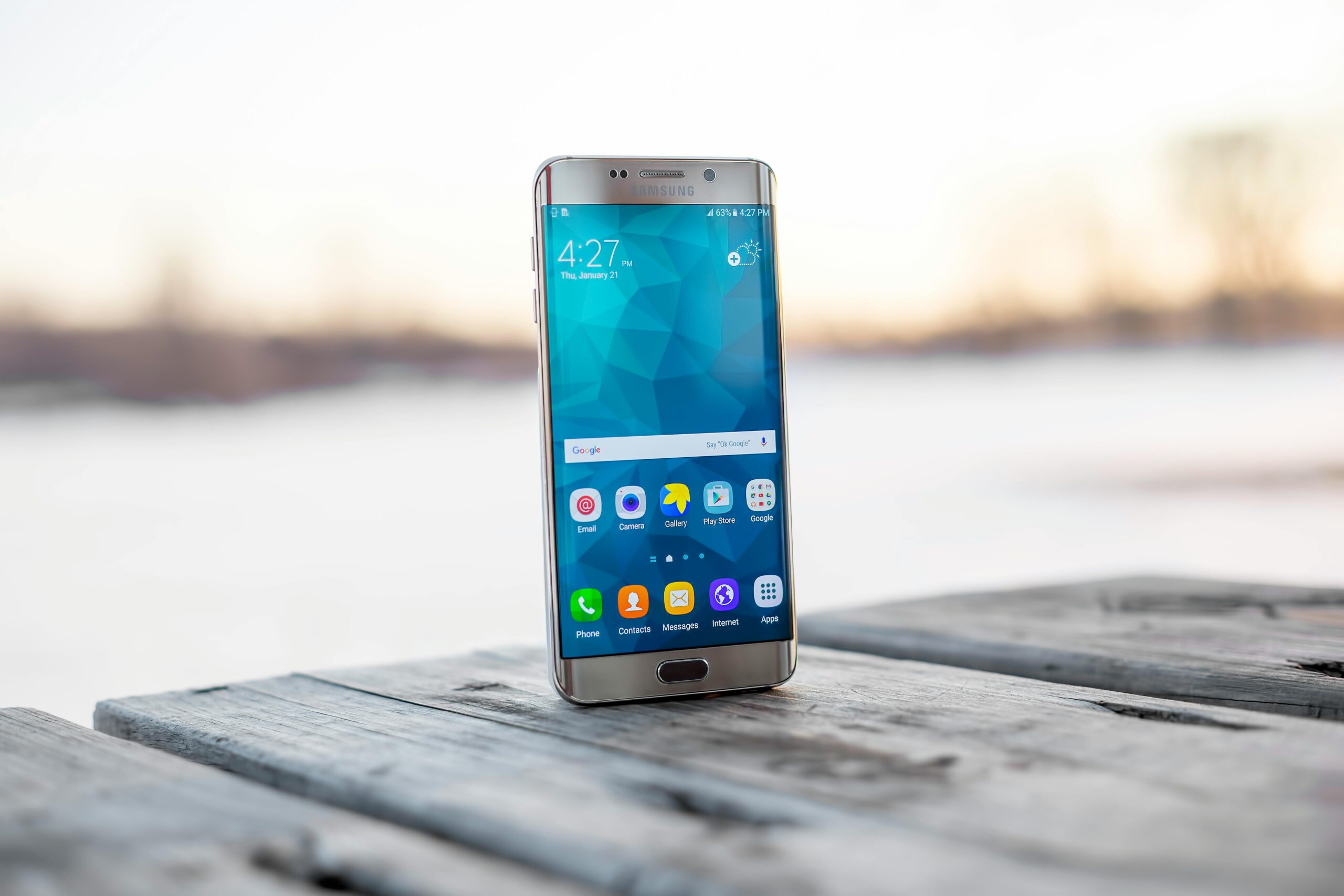
In a surprising shift, American consumer satisfaction with cell phones has dropped to its lowest level in a decade, according to the most recent data from the American Customer Satisfaction Index (ACSI). This 2025 report reflects a growing discontent among users, particularly in areas such as phone durability, software reliability, and perceived value for money.
ACSI Survey Overview
The ACSI, an independent national economic indicator of customer satisfaction across various industries, collects data from tens of thousands of U.S. consumers annually. For its cell phone satisfaction report, the index evaluates leading smartphone brands and models based on key performance metrics like battery life, camera quality, ease of use, customer support, and design.
This year, the cell phone category scored a mere 74 out of 100, marking a significant drop from last year’s 78 and the lowest point since 2014. The dip in satisfaction spans across manufacturers, with even traditionally well-rated brands like Apple and Samsung seeing notable declines.
Key Factors Behind the Decline
1. Plateauing Innovation
Consumers have grown increasingly critical of what they perceive as incremental upgrades in recent smartphone releases. With flagship devices carrying price tags north of $1,000, buyers expect groundbreaking features. However, many users feel that recent models only offer minor improvements in speed or camera performance, leading to a sense of stagnation and frustration.
2. Rising Prices Without Value Increase
While the cost of high-end smartphones continues to rise, users report that these devices don’t feel significantly better than their predecessors. A growing portion of the market sees less reason to upgrade frequently, especially when mid-range devices offer competitive performance at half the cost.
3. Software Issues and Bloatware
Software stability is another common pain point. Complaints about buggy updates, battery-draining apps, and pre-installed bloatware are on the rise. Several users reported that recent software updates have caused performance lags, unexpected crashes, and poor battery optimization—especially on older devices.
4. Customer Service Dissatisfaction
Customer service ratings have also dipped, with long wait times, lack of knowledgeable support staff, and ineffective resolutions cited as major concerns. Warranty disputes and complicated repair processes further contribute to consumer frustration.
5. Environmental and Repairability Concerns
Consumers are becoming more environmentally conscious, and many are voicing dissatisfaction over the difficulty of repairing or recycling smartphones. Sealed batteries, glued components, and limited availability of official repair parts are turning off users who want more sustainable options.
Brand Performance Breakdown
Although no brand escaped unscathed, the ACSI report showed some interesting shifts:
- Apple remains at the top in terms of brand satisfaction, but its score dropped from 82 to 78—reflecting backlash over limited innovation and high prices for newer iPhones.
- Samsung followed closely behind but also experienced a dip in satisfaction, primarily due to issues with software updates and customer service.
- Google’s Pixel phones saw mixed reactions, with praise for clean Android experience offset by complaints about hardware reliability.
- Lesser-known brands like Motorola and OnePlus received decent scores for affordability and clean software but lacked consistency in quality and update support.
Changing Consumer Behavior
The ACSI’s findings highlight a broader trend: users are holding onto their devices longer and becoming more selective about upgrades. With the average replacement cycle now stretching beyond three years, the pressure is on manufacturers to deliver truly compelling reasons to upgrade.
Moreover, a significant portion of users is moving toward refurbished or budget phones, which are increasingly offering features once exclusive to premium models. The market is shifting from brand loyalty to value-based decision-making.
Industry Implications
For smartphone manufacturers, these results should serve as a wake-up call. The focus must shift from flashy gimmicks to real, user-centric improvements such as:
- Longer software support cycles
- Greater device longevity and repairability
- More transparent pricing and fewer hidden costs
- Enhanced customer service experiences
Additionally, regulatory and environmental pressures are expected to grow, forcing brands to prioritize sustainable design and repair-friendly policies.
Conclusion
The drop in cell phone satisfaction to a 10-year low, as reported by the ACSI, reflects a disconnect between consumer expectations and industry practices. As smartphones become essential to daily life, users demand more than just cosmetic changes—they want reliability, fairness, and true innovation. The next few years will be pivotal in determining which brands can adapt to these evolving demands and restore public trust.


cxhxxv
Your articles are extremely helpful to me. Please provide more information! http://www.kayswell.com
Please tell me more about your excellent articles http://www.kayswell.com
Your articles are extremely helpful to me. Please provide more information! http://www.kayswell.com
Thank you for sharing this article with me. It helped me a lot and I love it. http://www.kayswell.com
Please tell me more about your excellent articles http://www.kayswell.com
Your articles are extremely helpful to me. Please provide more information! http://www.kayswell.com
Please tell me more about this. May I ask you a question? http://www.ifashionstyles.com
I really appreciate your help http://www.kayswell.com
Thanks for posting. I really enjoyed reading it, especially because it addressed my problem. http://www.kayswell.com It helped me a lot and I hope it will help others too.
Hi! I know this is kinda off topic but I was wondering if you knew where I could find a captcha plugin for my comment form? I’m using the same blog platform as yours and I’m having difficulty finding one? Thanks a lot! http://www.kayswell.com
It’s amazing to pay a quick visit this web page and reading the views of all colleagues concerning this article, while I am also keen of getting familiarity. http://www.kayswell.com
It’s amazing to pay a visit this site and reading the views of all friends regarding this paragraph, while I am also keen of getting know-how. http://www.kayswell.com
Thanks for your help and for writing this post. It’s been great. http://www.kayswell.com
Hello my loved one! I wish to say that this post is amazing, great written and include approximately all significant infos. I would like to peer extra posts like this . http://www.kayswell.com
I’m not that much of a internet reader to be honest but your blogs really nice, keep it up! I’ll go ahead and bookmark your site to come back down the road. Many thanks http://www.kayswell.com
It’s amazing to pay a quick visit this web page and reading the views of all colleagues concerning this article, while I am also keen of getting familiarity. http://www.kayswell.com
Hello there, I found your website via Google while looking for a related topic, your web site came up, it looks good. I have bookmarked it in my google bookmarks.
Thank you for any other fantastic article. The place else may anyone get that type of info in such an ideal means of writing? I have a presentation subsequent week, and I’m at the search for such information. http://www.kayswell.com
Hello everyone, it’s my first pay a visit at this website, and paragraph is in fact fruitful in support of me, keep up posting these types of articles. http://www.kayswell.com
Have you ever considered about including a little bit more than just your articles? I mean, what you say is fundamental and all. However imagine if you added some great images or video clips to give your posts more, “pop”! Your content is excellent but with images and clips, http://www.kayswell.com this website could undeniably be one of the best in its field.
I’m not sure if this is a format issue or something to do with internet browser compatibility but I figured I’d post to let you know. The style and design look great though! Hope you get the issue fixed soon. Many thanks
I’d like to thank you for the efforts you have put in writing this blog.I’m hoping to check out the same high-grade content from you later on as well. In truth, your creative writing abilities has motivated me to get my very own website now 😉
Hey I know this is off topic but I was wondering if you knew of any widgetsI could add to my blog that automatically tweet my newest twitter updates.
Hello my loved one! I wish to say that this post is amazing, great written and include approximately all significant infos. I would like to peer extra posts like this . http://www.ifashionstyles.com
Valuable info. Lucky me I found your website by accident, and I’m shocked why this accident didn’t happened earlier! I bookmarked it.
I don’t even know how I ended up here, but I thought this post was great. I do not know who you are but definitely you’re going to a famous blogger if you are not already 😉 Cheers!
Its like you read my mind! You appear to know so much about this, like you wrote the book in it or something.
It is the best time to make some plans for the long run and it is time to be happy. I’ve learn this publish and if I may just I want to counsel you some interesting things or suggestions. Maybe you can write subsequent articles relating to this article. I wish to read even more issues approximately it!
It’s amazing to pay a quick visit this web page and reading the views of all colleagues concerning this article, while I am also keen of getting familiarity. http://www.ifashionstyles.com
I constantly emailed this blog post page to all my contacts, for the reason that if like to read it after that my friends will too.
Hi there, its fastidious article concerning media print, we all be aware of media is a great source of data. http://www.hairstylesvip.com
My partner and I stumbled over here coming from a different page and thought I might check things out. I like what I see so i am just following you. Look forward to finding out about your web page yet again. http://www.hairstylesvip.com
If some one needs to be updated with latest technologies therefore he must be go to see this web site and be up to date every day.